
What is an Ecommerce CRM? How it Works & Benefits in 2026
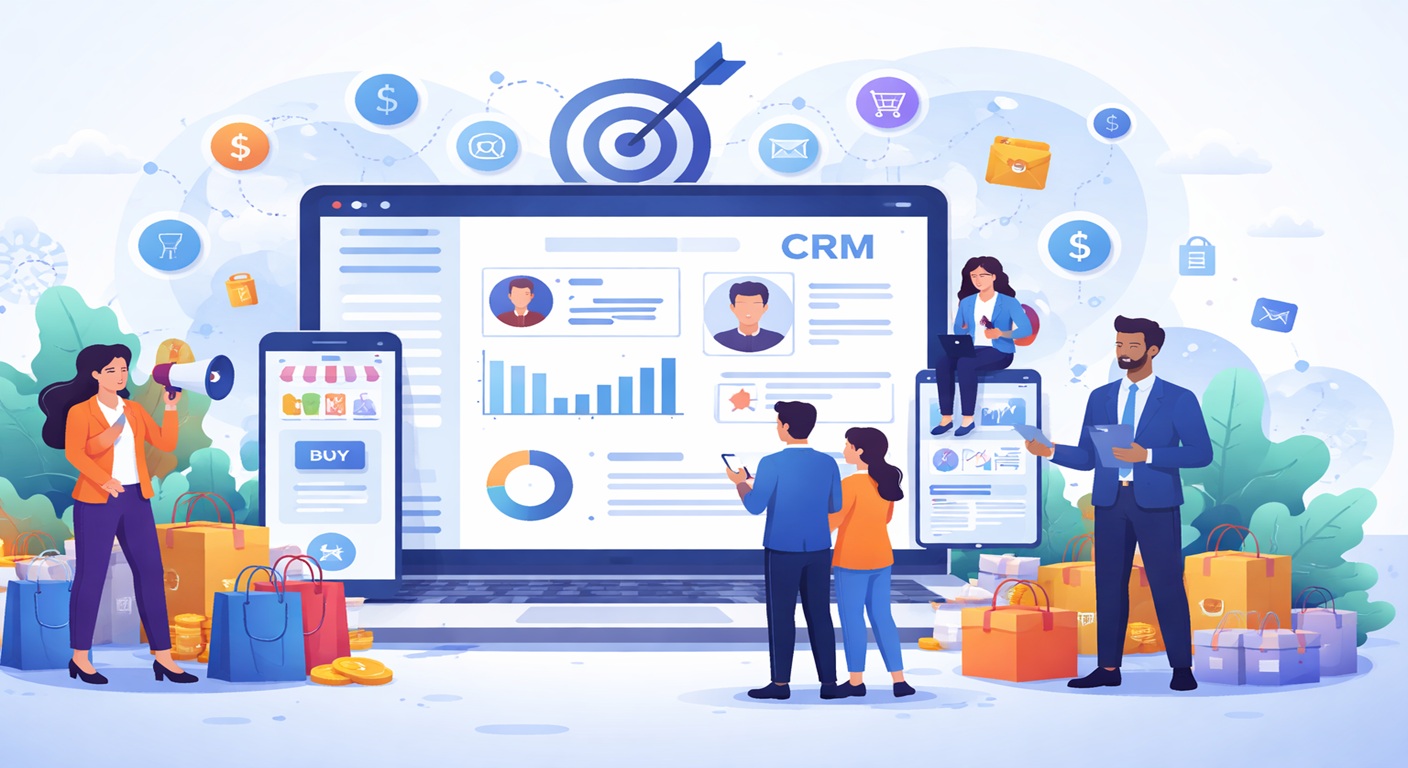
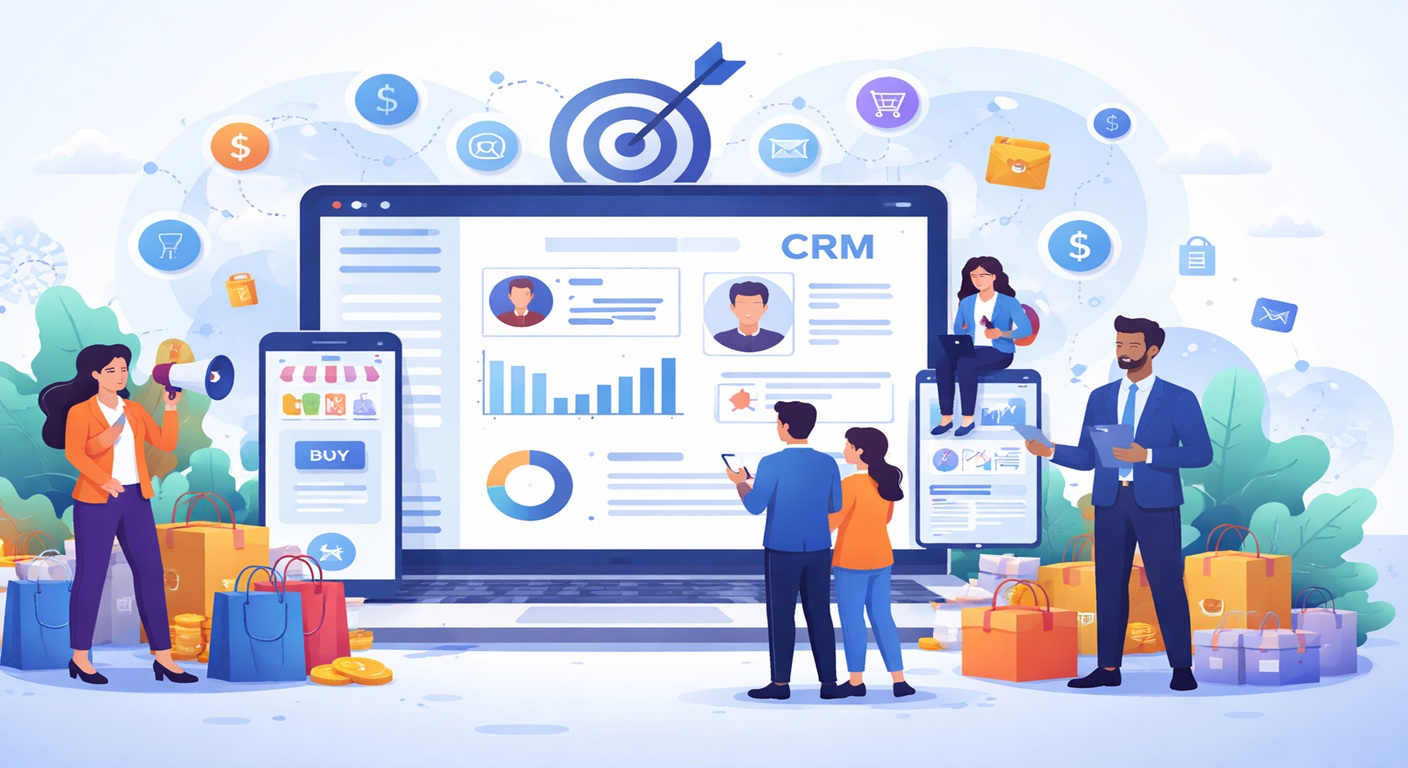
An Ecommerce CRM is a customer relationship management system designed specifically for online businesses. In 2026, ecommerce brands rely on Ecommerce CRM Software to manage customer interactions, automate communication, improve lead conversion, and increase customer retention through data-driven strategies.
Today's customer relationship management tools for online stores bring together sales, marketing, and customer service in one place. This helps businesses run more smoothly and give customers a more personal touch. With so many people shopping online, these tools are a big help in making sure customers are happy and come back for more. They let businesses keep track of what customers are doing, send them messages, and make sure they have a good experience. This way, businesses can focus on what matters most: making customers happy and growing their business.
How Ecommerce CRM Works in 2026
An Ecommerce CRM Platform collects customer data from multiple touchpoints, including websites, sales funnels, emails, social media, and payment systems. The platform then organizes this information to help businesses understand customer behavior and improve engagement strategies.
AI Ecommerce CRM systems use automation and predictive insights to manage customer journeys more efficiently. These systems can track abandoned carts, monitor customer interactions, automate follow-ups, and improve sales pipeline visibility.
Many businesses also use CRM Integration for Ecommerce to connect their CRM system with payment gateways, marketing tools, scheduling platforms, and customer support channels.
This integrated approach supports Ecommerce Automation CRM strategies that reduce manual work and improve operational efficiency.
Benefits of Ecommerce CRM for Online Stores
The Benefits of Ecommerce CRM for Online Stores continue to grow as automation and AI technologies advance.
Improved Customer Retention
Ecommerce CRM for Customer Retention allows businesses to build stronger relationships through personalized communication and automated engagement campaigns.
Better Sales and Marketing Alignment
Understanding How Ecommerce CRM Improves Sales and Marketing helps businesses create more targeted campaigns and optimize lead nurturing workflows.
Centralized Customer Data
An Ecommerce CRM Platform stores customer interactions, purchase history, and communication records in one place, improving business visibility and decision-making.
Automated Lead Management
Automated workflows support lead tracking, segmentation, and conversion optimization across multiple digital channels.
These capabilities explain Why Every Online Store Needs a CRM in today’s digital marketplace.
Difference Between CRM and Ecommerce Platform
The Difference Between CRM and Ecommerce Platform functionality is important for business planning.
An ecommerce platform primarily focuses on product listings, shopping carts, payments, and order management. A CRM for Ecommerce, however, focuses on customer relationships, lead management, communication automation, and long-term customer engagement.
Companies usually bring together both systems by using strategies like combining ecommerce and customer relationship management tools to create a connected digital ecosystem that works together smoothly.

How to Choose an Ecommerce CRM Platform
When evaluating the Best Ecommerce CRM Software for Small Businesses, organizations should focus on scalability, automation features, integrations, and reporting capabilities.
Key factors include:
Automated marketing tools
Lead nurturing workflows
Social media scheduling
Calendar and payment integration
AI-powered customer insights
Sales pipeline management
AI-Powered Ecommerce CRM Solutions are becoming increasingly important for businesses seeking operational efficiency and customer personalization.
AI Ecommerce Trends 2026
AI Ecommerce Trends 2026 show rapid growth in automation, predictive analytics, and customer behavior tracking. The Future of Ecommerce Automation is centered around intelligent CRM systems that reduce manual processes and improve customer engagement.
How AI is Transforming Ecommerce Sales can be seen through automated follow-ups, smart segmentation, and personalized communication workflows.
Smart CRM Tools for Online Businesses now support multi-channel communication, AI-driven recommendations, and automated lead conversion strategies.
The Hidden Technology Behind Customer Retention often relies on AI-powered CRM systems that identify customer intent and engagement patterns in real time.
Conclusion
Ecommerce CRM systems are becoming essential tools for online businesses focused on growth, automation, and customer engagement in 2026. From sales pipeline management to automated lead nurturing, Ecommerce CRM Software helps businesses improve operational efficiency and long-term customer relationships.
At VizionCX, we provide scalable CRM solutions designed to support automated marketing, lead conversion, communication management, and business growth through integrated digital technologies.
Book Your Consultation Call Today!
Frequently Asked Questions
1. What is an Ecommerce CRM and how does it differ from a standard CRM? An Ecommerce CRM is a specialized platform designed to manage the unique data points of online retail, such as SKU-level purchase history, cart abandonment rates, and customer lifetime value (CLV). Unlike standard CRMs that focus on manual lead tracking, ecommerce versions automate data collection from storefronts to create hyper-personalized marketing workflows.
2. How does AI-driven automation work within an Ecommerce CRM? In 2026, these systems use predictive analytics to anticipate when a customer is likely to run out of a product and automatically send a restock reminder. They also utilize machine learning to dynamically adjust discount offers based on a user's price sensitivity, ensuring the highest possible margin for every conversion.
3. What are the primary benefits of integrating a CRM with an online store? Integration centralizes customer data, allowing for advanced segmentation that goes far beyond basic demographics. The primary benefits include a significant reduction in churn through automated win-back campaigns, increased average order value (AOV) via personalized product recommendations, and improved customer loyalty through tailored rewards.
4. How does an Ecommerce CRM improve the customer support experience? By providing support agents with a 360-degree view of the customer’s journey—including past orders, browsing behavior, and previous interactions—inquiries are resolved faster and with more empathy. This unified data prevents customers from having to repeat their details, creating a seamless "omnichannel" experience across chat, email, and social media.